Andrew Sacher's new book charts the emo revival years of 2008 to 2018
"Emo Revival: Community, DIY, and Rebirth In Post-Hardcore and Emo (2008-2018)" runs past 400 pages across ten sections built on scene interviews.
Journalist Andrew Sacher has published "Emo Revival: Community, DIY, and Rebirth In Post-Hardcore and Emo (2008-2018)," a history of the genre's fourth wave. The book stretches past 400 pages, is split into ten sections and is packed with DIY show flyers from the era.
Sacher traces the lineage back to acts that preceded the revival, including Jimmy Eat World and Saves the Day, while crediting the groundwork laid by second-wave bands such as American Football and The Promise Ring. He also digs into how emo cooled off after the third wave, the declining popularity of pop-punk acts like New Found Glory, and how Drive-Thru Records bands tried to reinvent themselves.
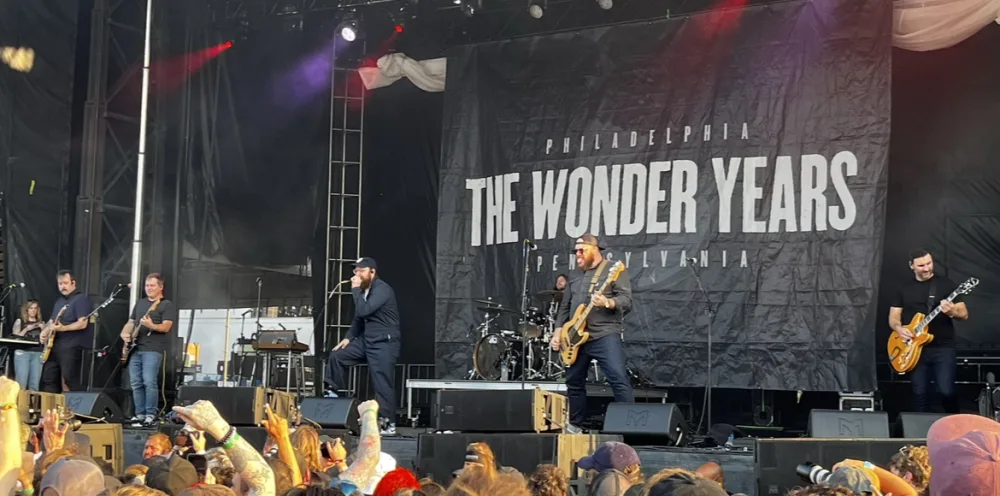
Interviews anchor the reporting, with voices including The Wonder Years' Dan Campbell and producer Will Yip. Those conversations lead Sacher to place Philadelphia at the geographic center of the movement. The book also makes room for the blogs, websites and publications that covered the scene, crediting the writers who documented it before him.
The final stretch looks ahead to what Sacher frames as a fifth wave, pointing to newer bands like Anxious, Hot Mulligan and Pool Kids. In the acknowledgments, he thanks Dan Ozzi, whose book "Sellout" is cited as a clear influence on the project's approach.
Reported from Chorus.fm
Read the full story at Chorus.fmNewsroom copy, published with prior review. Editor in charge: Remy Zdrojeski. Spotted an error? Write to sociais@remyzdrojeski.com.br and we will fix it.